Power System

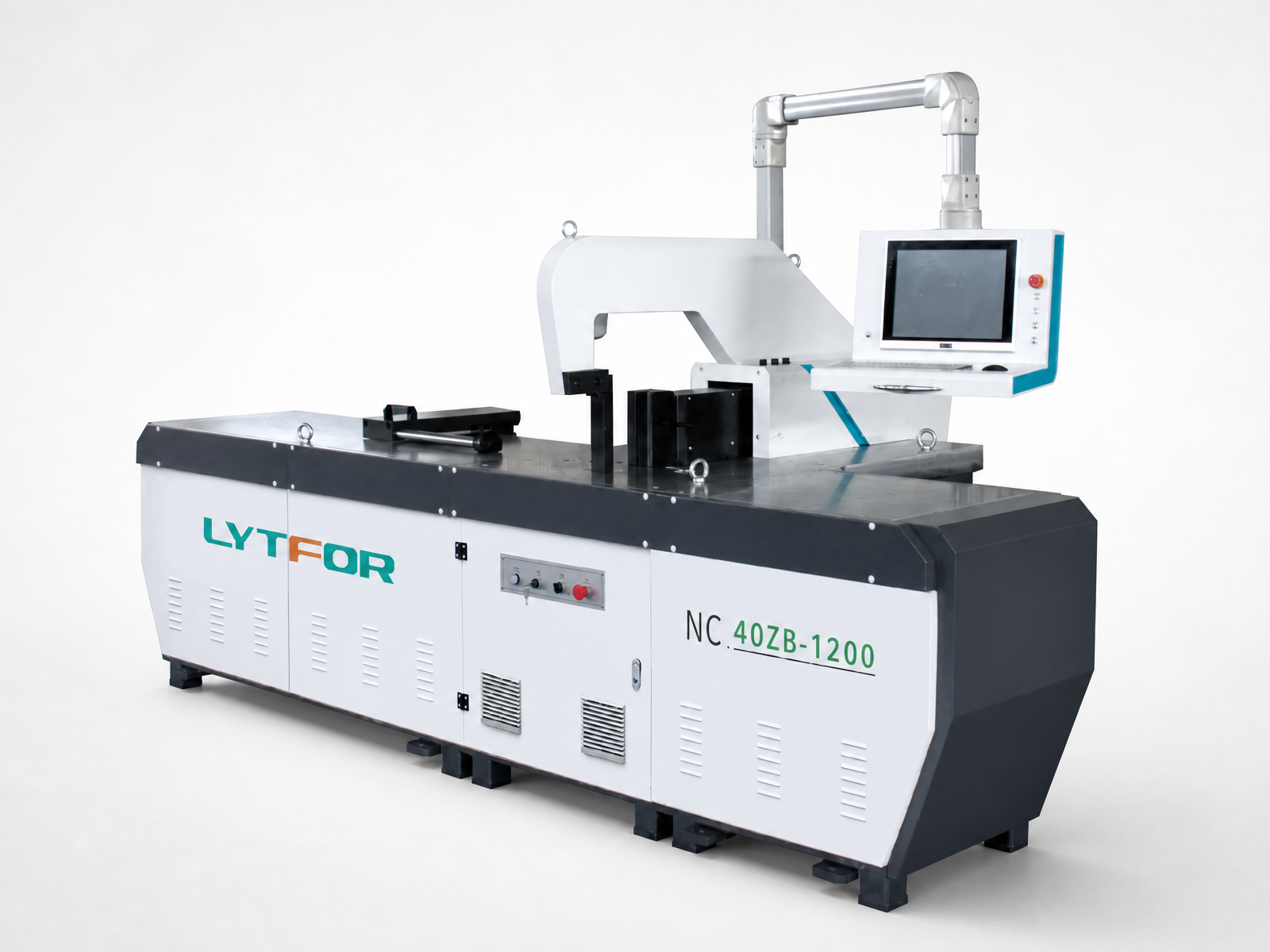
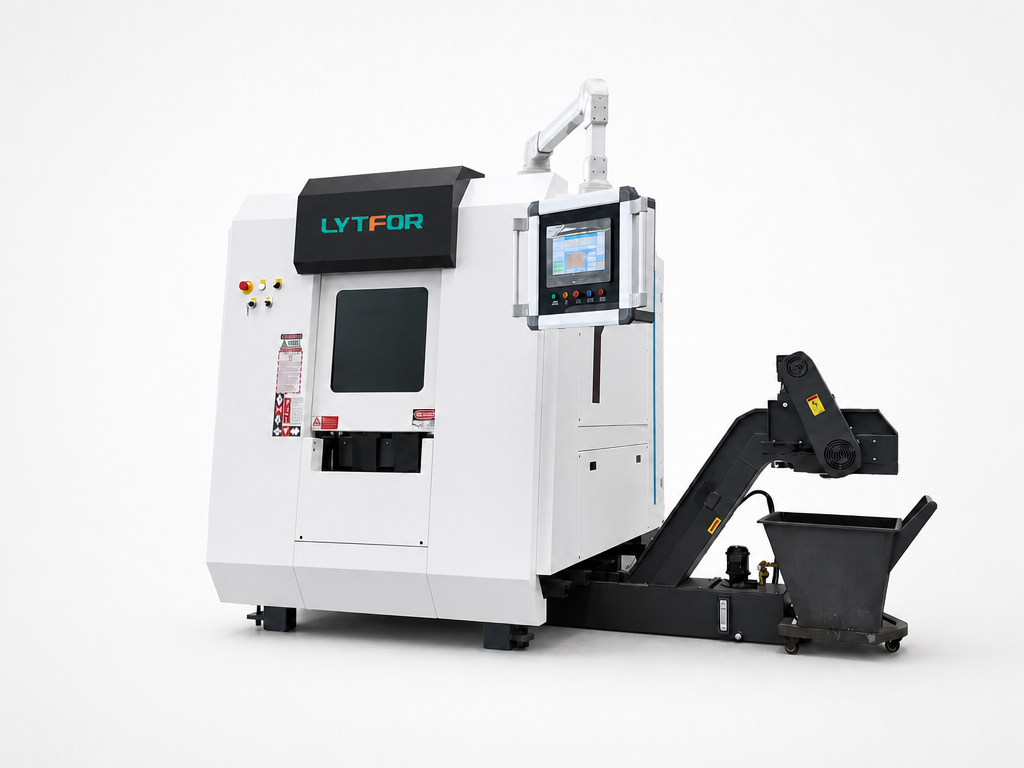
LEADERFENG CNC busbar machine can provide beneficial assistance to customers who manufacture oil-immersed transformers and dry-type transformers.

Leaderfeng CNC busbar processing machine can meet various complex busbar processing needs and is the preferred equipment for service providers in the power system field.

The quality of busbars is crucial to power system manufacturers because busbars are key electrical components in power systems, responsible for the transmission and distribution of current. The quality of busbars is directly related to the performance, safety, reliability and life of power system.

In addition to the busbar material itself, the busbar layout design and busbar processing technology of power system also play an important role in the current transmission efficiency and the stability of the power system.

Our team has rich experience in busbar bending, punching and other processing. We use advanced CNC systems to reduce manual intervention, control the busbar bending error within ±0.3°, and the punching error within ±0.2mm, which effectively ensures the consistency between the busbar layout design drawings and the actual finished products, and reduces the risk of short circuits or electrical failures caused by poor busbar connections.

The thermal expansion coefficient of the busbar material should match the thermal expansion coefficient of other electrical components, otherwise mechanical stress will be generated when the temperature changes, affecting the stability of the contact point. Our CNC busbar processing machine introduces a compensation mechanism. Operators can set different compensation parameters according to different materials such as copper busbar or aluminum busbar to reduce the instability of contact points caused by stress changes, reduce current fluctuations, and thus reduce the occurrence of equipment failures.

With international influence, we can communicate with you according to your time zone and language. We provide professional sales and after-sales service processes, including training services after the order is sent. Depending on the situation, technicians can be selected to come to the site or come to the leaderfeng factory for training. Our goal is to help your power project start up and run quickly.

Get Best Quote

Provide high-quality CNC busbar processing machines to meet your busbar processing needs for power projects.

We are not only a manufacturer and supplier of busbar processing machines for familiar customers, but also a high-quality service partner that provides customers with busbar processing solutions.

What we can offer to you?

Busbar punching
Busbar cutting
Busbar bending
Busbar bending
Busbar twisting
Functions, Features, and Industry Applications of Busbar Processing Machines

The Ultimate Guide to Busbar Machining Equipment

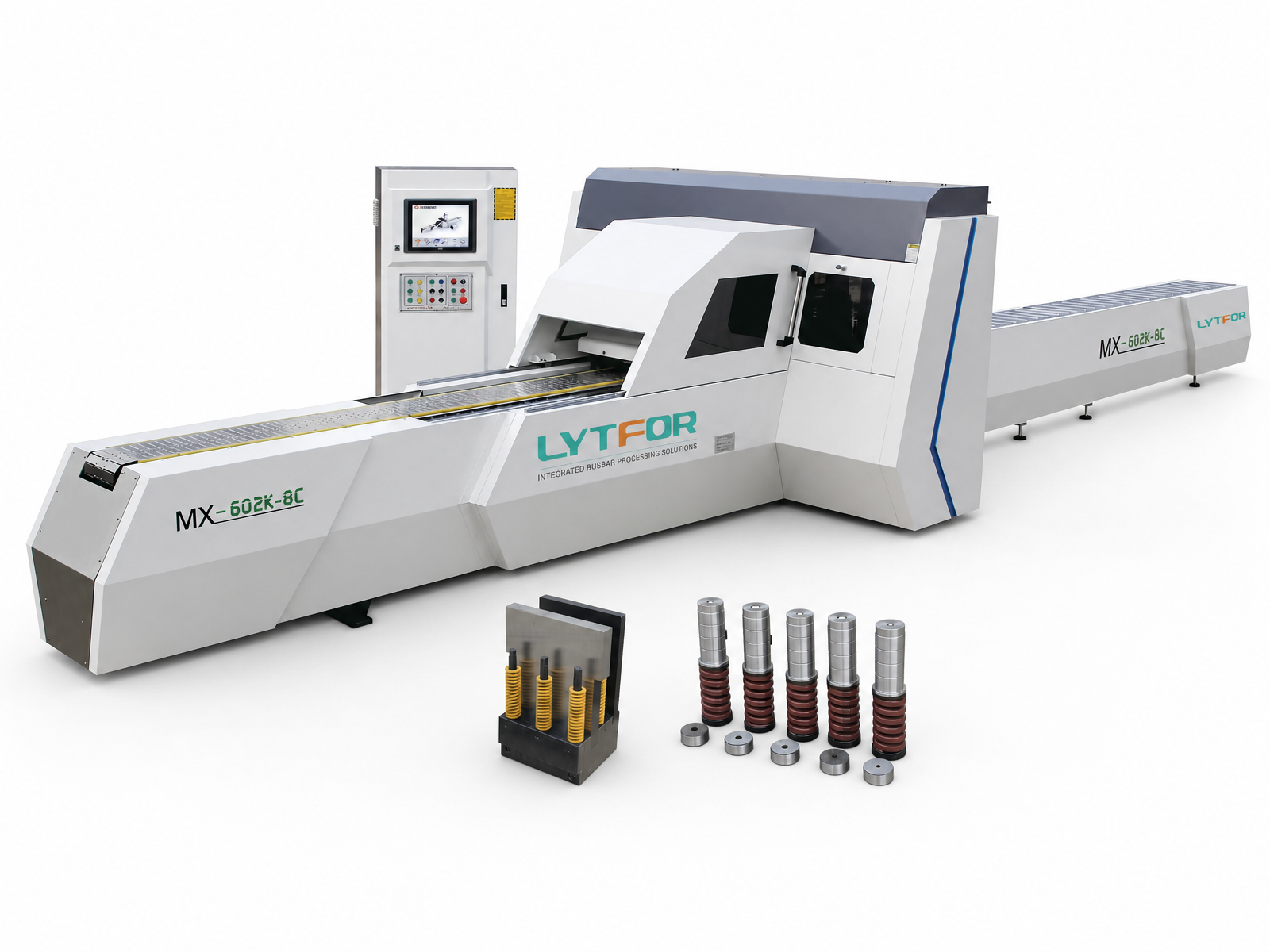
Busbar processing machines are essential equipment in the electrical and power distribution industry, designed to process copper and aluminum busbars with high precision and efficiency. From cutting and punching to bending and crimping, these machines offer a wide range of functionalities, providing high productivity and consistent quality in modern manufacturing.

This guide provides a comprehensive overview of busbar machines, including their operating principles, key features, and industrial applications. Whether you are an equipment distributor, a switchgear manufacturer, or an engineering company in the energy sector, understanding busbar machines will help you choose the right solution for your production needs.

What are busbar machines and how do they work?

A busbar machine is an automated or semi-automated device specifically designed for manufacturing and processing busbars. Busbars, also known as busways, are typically made of copper or aluminum. In electrical engineering, a busbar refers to a conductor, a junction point, or a connection hub that efficiently distributes high currents in power distribution systems (such as substations, switchgear cabinets, data centers, and large factories). Components like circuit breakers, switches, and transformers are connected to the busbar to receive power.

How a busbar machine works:

Step 1: The operator imports the 2D or 3D drawing of the busbar (copper or aluminum bar) to be processed into the CNC system of the busbar machine via a USB drive or network.

Step 2: The CNC system automatically coordinates the different tools on the machine according to the drawing instructions, processing the material sequentially. This process is usually fully automated and mainly includes three core actions: Punching: The machine moves to the designated position and uses a punching die to create the required mounting holes, connection holes, etc., on the busbar. Cutting: The busbar with punched holes is then moved to the specified length and precisely cut like a pair of scissors. Bending: Finally, the bending mechanism grips the cut busbar and bends it to the required angle (e.g., 90°) as specified in the drawing.

Note: Some advanced busbar machines may also integrate functions like embossing, notching, and labeling, which are also automatically performed during the same process.

Step 3: After all processing steps are completed, a robotic arm or conveyor system outputs the finished product.

The main types of busbar processing equipment.

1. Stand-alone Equipment

Each piece of equipment performs only one function and is typically used in repair workshops or for small-batch production.
Busbar bending machine: Used solely for bending flat copper/aluminum bars to the required angle.
Busbar punching machine: Used solely for punching various shapes of holes in busbars.
Busbar shearing machine: Used solely for cutting long busbar sections to the required length.
Features: Relatively inexpensive, but low efficiency; requires manual material handling between different machines; accuracy and consistency depend on operator skill.

2. Multi-function Integrated Machine

Integrates two or three core functions into one machine, with function switching via manual or simple CNC control.

Punching and shearing machine: The most common basic integrated machine, combining punching and shearing functions.
Punching, shearing, and bending machine: A more comprehensive integrated machine, combining the three core functions of punching, shearing, and bending. Operators need to manually change tooling and adjust the work position.
Features: Higher efficiency than stand-alone equipment, less material handling, but still not highly automated; tooling changes and adjustments require time; still requires skilled operators.

3. CNC Busbar Processing Center

The current mainstream high-end automated equipment. It integrates multiple functions such as punching, shearing, bending, and embossing on one platform, controlled by a CNC system.

Working method: The operator loads the design drawing program into the system, and the machine automatically completes all processing steps without manual intervention or tooling changes.

Features:
Extremely high efficiency: One clamping operation completes all processing.
Ultra-high precision: Fully program-controlled, eliminating human error.
High safety: Fully automated, operators only need to load and unload materials, staying away from the processing area.
Flexible production: Different products can be processed by simply switching programs, ideal for small-batch, multi-variety orders.

Applications in industries such as electrical panels, switchgear, and renewable energy.

1. Electrical Panel & Switchgear Manufacturing
This is the core application area for busbar machines. They are used to manufacture busbars for internal connections in power distribution cabinets (e.g., MCCB, ACB), switchgear cabinets (e.g., GCK, GCS, MNS type), and data center power distribution units (PDU).
Why it’s important: Ensures precise busbar dimensions and smooth contact surfaces, enabling high-density, reliable connections, reducing contact resistance and heat generation, and guaranteeing the safe and stable operation of the entire power distribution system.

2. Renewable Energy (Solar & Wind Power)
Application: Processing power busbars for photovoltaic inverters, wind power converters, and energy storage systems (ESS).
Why it’s important: These devices handle extremely high currents in a compact space. Busbar machines can process complex, high-precision laminated busbars, effectively reducing line inductance, lowering heat loss, saving installation space, and significantly improving system efficiency and power density.

3. Rail Transportation & Electric Vehicles
Application: Manufacturing power connection busbars for traction inverters and battery packs in high-speed trains, subways, and electric vehicles.
Why it’s important: The operating environment involves severe vibrations, demanding high reliability and vibration resistance. Busbar machines produce busbars that fit tightly, preventing loosening and ensuring the absolute safety of the power system under harsh conditions.

4. Industrial Automation & Machinery
Application: Manufacturing busbars for power distribution units and drive controllers of large CNC machine tools, robots, production lines, and other heavy-duty equipment.
Why it’s important: Ensures stable, low-loss power supply to high-power motors and drives, reducing downtime due to poor connections and improving overall equipment reliability and production efficiency.

Contact us

Please leave a message about your interested product and application etc.. We will get you back in 24 hours.

Parts Requests

Have you bought products from Leaderfeng?
Parts being requested:
3 in 1 Busbar Processing Machine - Punching Tools
CNC Busbar Punching Cutting machine - Punching Tools